Tag Archives: microsoft

Providing Product Feedback and Content Improvement Suggestions to Microsoft

One of the most valuable parts of being engaged in the Microsoft community is the opportunity to share real-world feedback that helps improve products, content, and community experiences. My contribution is not limited to learning and sharing knowledge. I also actively provide feedback to Microsoft based on what I see from customers, partners, community members, architects, developers, and business leaders.

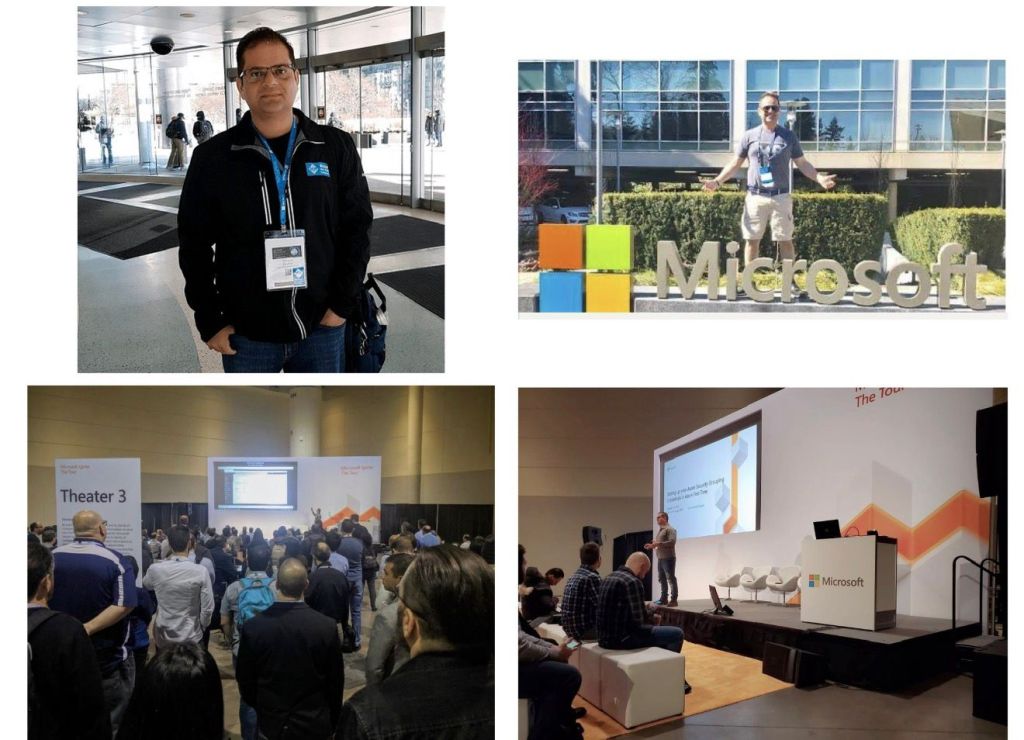
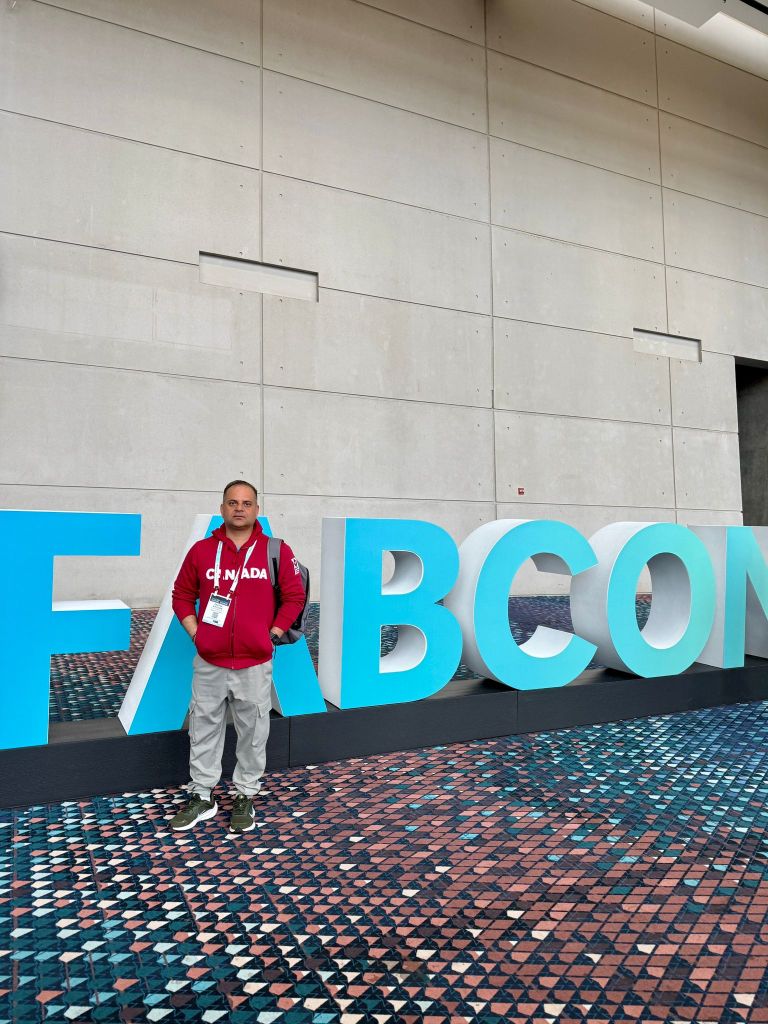
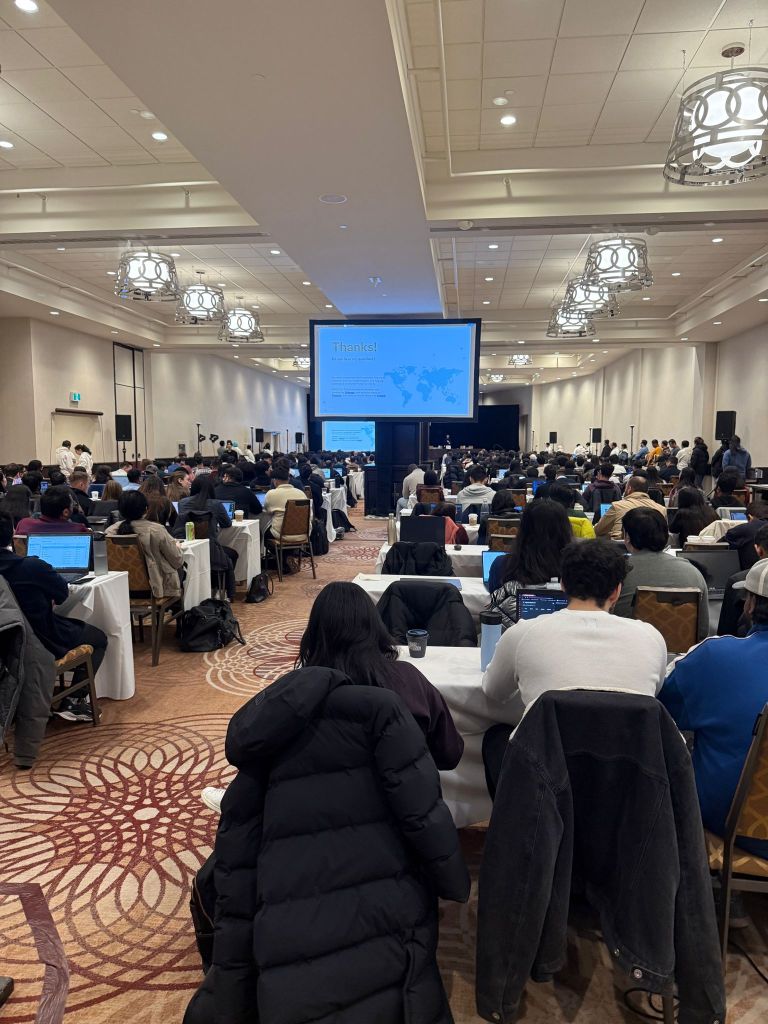
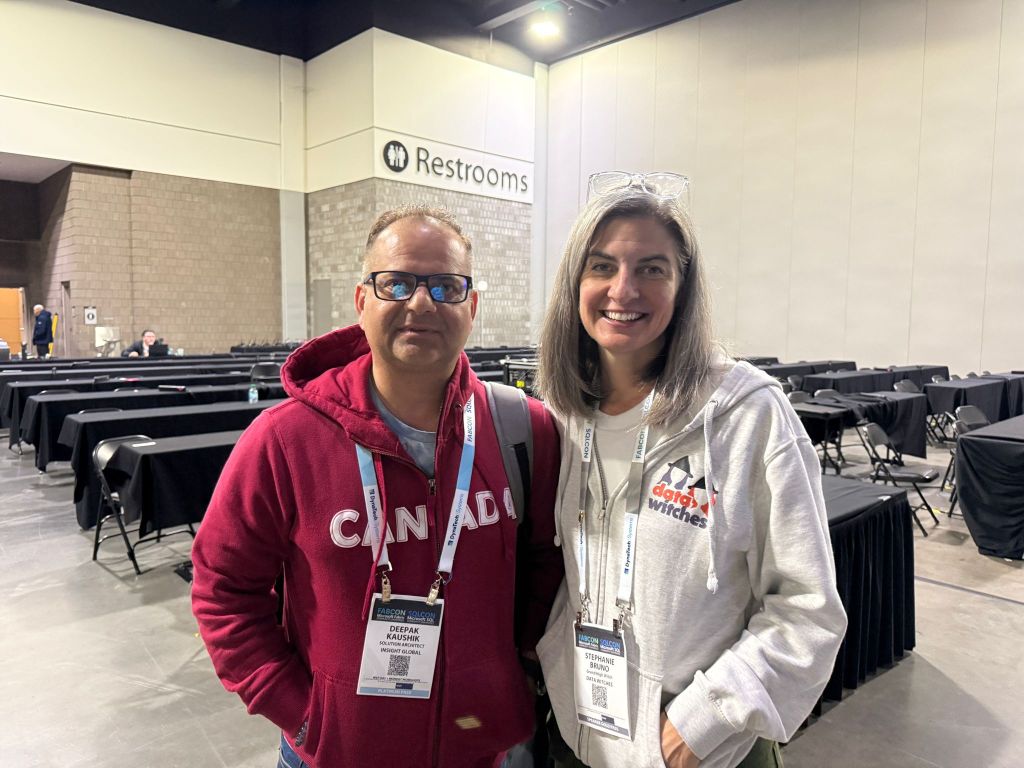
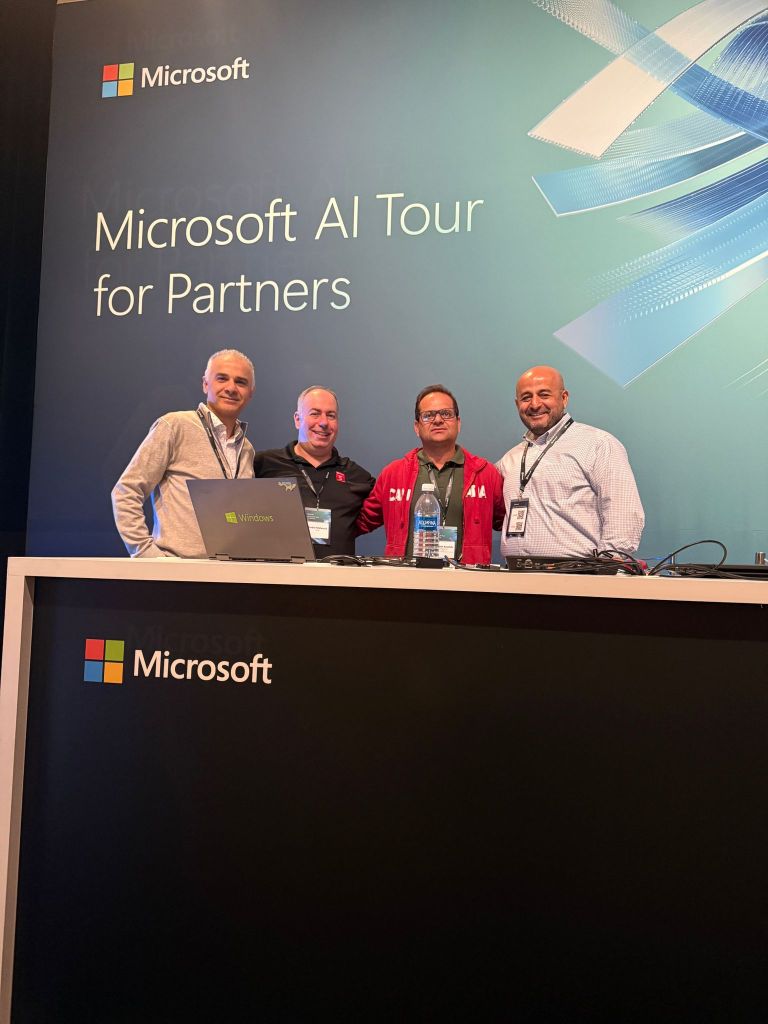
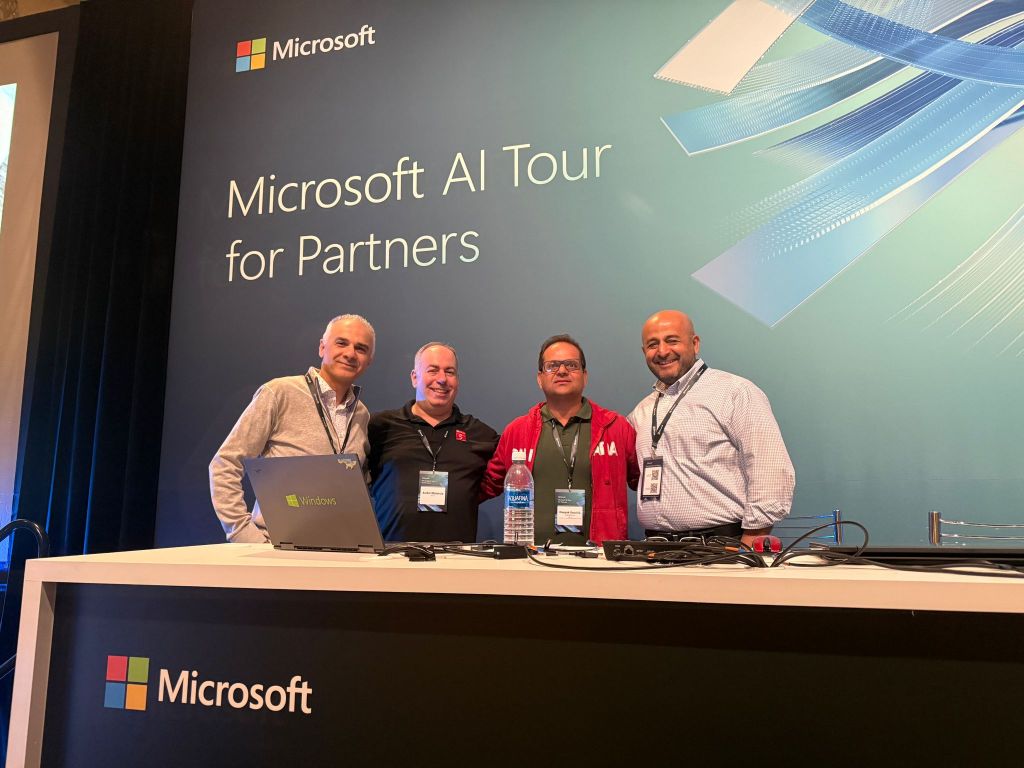
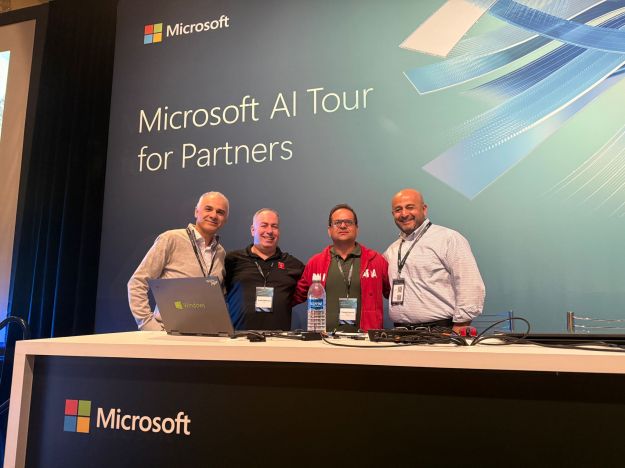
Over the years, I have provided product feedback and content improvement suggestions through several Microsoft community and partner engagement channels, including Microsoft Fabric conferences, MVP PGI Connects, and Microsoft AI Tour for Partners.

Feedback Through Microsoft Fabric Conferences

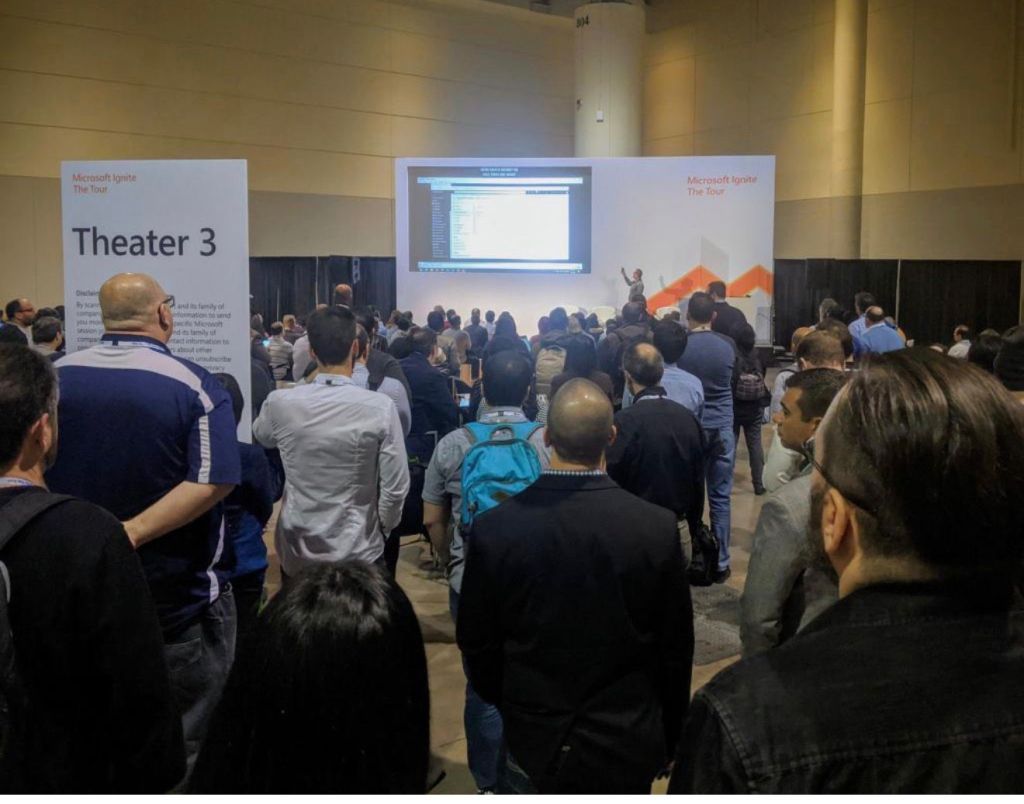
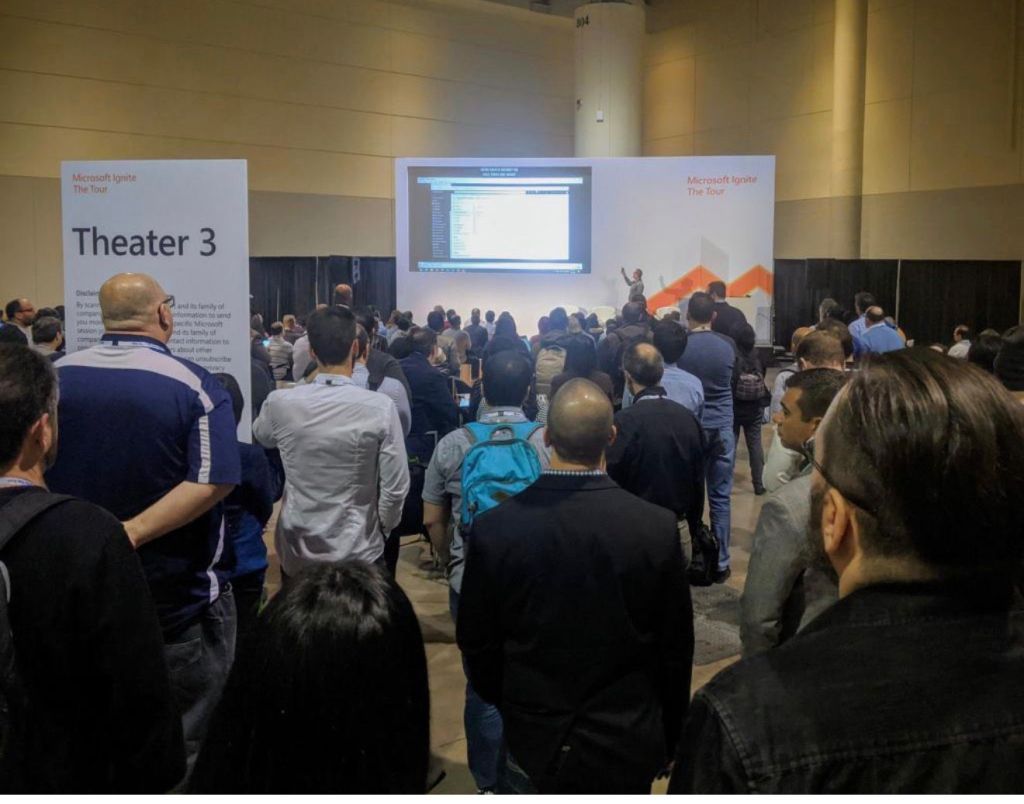
Microsoft Fabric is a major transformation in the data and analytics ecosystem. Through Fabric-related conferences and sessions, I have shared feedback on how customers and partners understand Fabric adoption, architecture, governance, data engineering, Power BI integration, security, migration patterns, and enterprise readiness.

My feedback often focuses on practical adoption challenges, such as:

  • How Fabric messaging can be made clearer for enterprise decision-makers
  • How architecture patterns can be explained more effectively for data teams
  • How governance, lineage, and security guidance can be strengthened
  • How content can better address real-world migration scenarios from legacy platforms
  • How partners can better position Fabric value to customers

This feedback is shaped by real conversations with organizations that are evaluating or adopting Microsoft Fabric. My goal is to help Microsoft improve how Fabric is explained, adopted, and implemented across different industries.

Feedback Through MVP PGI Connects

MVP PGI Connects provide an important platform for direct engagement between MVPs and Microsoft product groups. Through these sessions, I have shared technical feedback, adoption insights, and content improvement suggestions based on community needs and enterprise customer scenarios.

These conversations are valuable because MVPs bring field-level experience from the community. I use these opportunities to highlight what users are asking, where technical content may need more clarity, and what product guidance would help architects, developers, and business leaders make better decisions.

My feedback includes areas such as Azure AI, Microsoft Fabric, data architecture, responsible AI, enterprise governance, and solution design patterns.

Feedback Through Microsoft AI Tour for Partners

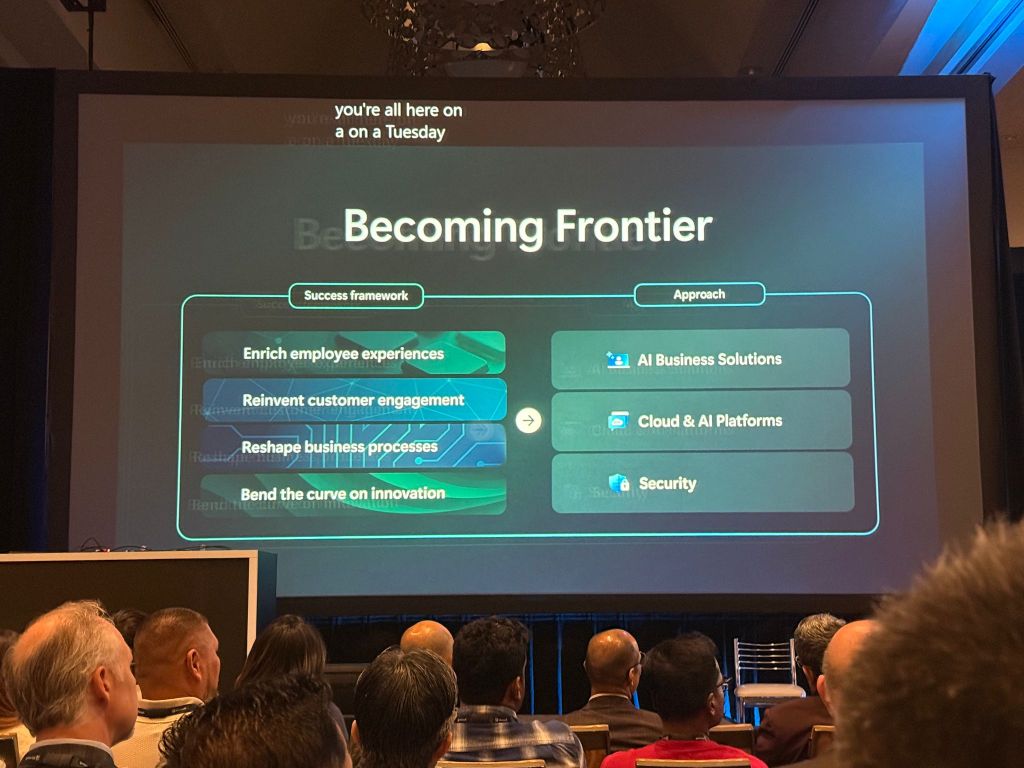
The Microsoft AI Tour for Partners has also been an important channel for sharing feedback on AI adoption, partner enablement, and content readiness. As AI becomes a priority for every organization, partners need clear, practical, and business-aligned guidance to help customers move from AI experimentation to production.

Through these engagements, I have provided feedback on:

  • How AI content can better connect technical capabilities with business outcomes
  • How partner enablement materials can be more practical and architecture-focused
  • How Azure AI and Azure AI Foundry messaging can be simplified for customers
  • How responsible AI, security, and governance should be emphasized early
  • How partners can be better equipped with real-world demos, use cases, and adoption playbooks

Why This Feedback Matters

Product feedback is powerful because it helps close the gap between product innovation and real-world adoption. Microsoft is building powerful platforms across Azure, Fabric, and AI, but the success of these technologies depends on how clearly they are understood, adopted, and implemented by customers and partners.

By sharing feedback from the field, I help amplify the voice of the community and bring practical insights back to Microsoft. This includes what is working well, what needs more clarity, and where additional content, demos, architecture guidance, or product improvements could create more value.

Final Thought

Yes, I have provided product feedback and content improvement suggestions to Microsoft through Fabric conferences, MVP PGI Connects, and Microsoft AI Tour for Partners. My feedback is grounded in real-world customer conversations, partner enablement needs, and community learning experiences.

For me, this is an important part of being a Microsoft community contributor. It allows me to not only share Microsoft innovation with the community, but also bring community insights back to Microsoft so products, content, and adoption guidance continue to improve.
Fabric IQ + Foundry IQ: Building the Unified Intelligence Layer for Agentic Apps

Fabric IQ and Foundry IQ create a shared intelligence layer that connects data, analytics, and AI agents across your enterprise, turning raw information into contextual understanding for smarter decisions.

This unified approach eliminates silos by providing semantic consistency—agents now grasp business concepts like “Q3 sales performance” across Fabric’s OneLake and Foundry’s knowledge bases, reducing errors and speeding workflows.

Core Components of the IQ Layer

Fabric IQ adds business logic to OneLake data with Maps, Graphs, and Digital Twins, enabling spatial and relational analysis. Foundry IQ powers agentic retrieval via Azure AI Search, automating RAG pipelines for multimodal data while enforcing Purview governance.

Work IQ integrates Microsoft 365 signals like Teams conversations, creating a “one brain” for agents that blends quantitative Fabric data with qualitative context—no more hallucinations from poor grounding.

Real-World Manufacturing Example

A manufacturer models factory disruptions in Fabric IQ Graphs. Foundry IQ agents prompt: “Analyze Line 3 downtime ripple effects on orders.” The system queries live streams, predicts delays, and auto-alerts via Teams, cutting response times 70%.​​

Retail Digital Twin in Action

Retailers use Fabric IQ Digital Twins for store IoT data. Foundry agents optimize: “Adjust shelf stock by foot traffic and sales.” Results include visuals, forecasts, and auto-reorders, lifting margins 15% with zero custom code.

Getting Started Roadmap

Enable in F64+ capacities, link via Data Agents, pilot sales/ops queries. Track insight velocity to justify scale-up.

#MicrosoftFabric #AzureAIFoundry #FabricIQ #AgenticAI


5 Practical Use Cases: Fabric Data Agents Powering Foundry HR and Sales Copilots

Fabric Data Agents bridge natural language to enterprise data, fueling Foundry copilots for HR and sales teams with secure, real-time insights.

These agents auto-generate SQL, KQL, or DAX over OneLake, letting non-technical users query without IT—perfect for high-velocity business decisions.

HR Copilot: Staffing Insights

HR prompts Foundry: “Show staffing gaps by role and region.” Data Agent scans Fabric warehouses, returns trends with turnover risks, embedded in Teams for instant action—slashing recruitment delays 40%.

Sales Performance Copilot

Sales managers ask: “Top lost deal reasons with revenue impact.” Agent pulls Fabric lakehouse transactions, generates infographics, and suggests upsell targets—boosting close rates 25%.​

Productivity Analytics

“Analyze team output vs. benchmarks.” Combines Fabric metrics with 365 signals via Foundry IQ, spotting burnout patterns for proactive interventions.

Compliance Queries

“Flag policy violations in Q4 hires.” Grounds responses in Purview-governed data for audit-ready reports.

Deployment Tips

Publish agents from lakehouses/warehouses, connect in Foundry projects. Start with 5-10 queries, measure time savings.

#MicrosoftFabric #DataAgents #Copilots #HRTech

Azure AI Foundry and Microsoft Fabric: Driving Data Unification and the Agentic World

Azure AI Foundry and Microsoft Fabric together create the backbone for unified data estates that power intelligent agents, turning fragmented silos into a single source of truth for AI-driven decisions across enterprises.

This stack unifies multi-modal data in Fabric’s OneLake while Foundry agents query it securely, enabling the agentic world where AI handles complex reasoning over real enterprise data without custom integration.

The Power of Data Unification

Fabric consolidates lakehouses, warehouses, pipelines, and real-time streams into OneLake, eliminating data movement and enabling governance at scale with Purview lineage.

Foundry builds on this by connecting agents to Fabric Data Agents—endpoints that translate natural language to SQL, KQL, or Spark code—grounding responses in governed datasets for hallucination-free insights.

Developers get SDKs, notebooks, and MLOps for full lifecycles, while business users prompt agents in Teams or apps for instant analytics, accelerating from PoC to production.

Case Study 1: Gay Lea Foods Accelerates Reporting with Fabric

Canadian dairy co-op Gay Lea Foods struggled with slow, manual reporting across supply chain data. They unified 100TB of operational data in Fabric lakehouses and warehouses, cutting report generation from days to minutes.

Real-Time Intelligence processes live inventory streams; Power BI visuals embed in Teams for plant managers. Adding Foundry agents, ops teams now ask “Predict milk production shortfalls by farm,” blending Fabric queries with predictive reasoning for 30% faster decisions.​

Results: Reporting time slashed 80%, supply chain efficiency up 25%, with full audit trails for compliance—all on F64 capacity with auto-scaling.

Case Study 2: Global Retailer Masters Demand Forecasting

A major retailer faced siloed POS, e-commerce, and supplier data, leading to stockouts during peaks. Fabric pipelines ingest petabyte-scale streams into OneLake, with Spark jobs running ML baselines on lakehouses.

Foundry agents link via Data Agents: “Forecast holiday demand by SKU, factoring weather and promotions.” Agents orchestrate KQL on eventhouses, SQL on warehouses, and return visuals with confidence scores embedded in Dynamics 365.​​

Impact: Forecast accuracy improved 35%, inventory costs down 22%, and non-technical buyers access insights via chat—scaling to 500 stores without added headcount.

Key Capabilities Fueling the Agentic Shift

OneLake acts as the semantic layer, with shortcuts to external sources like Snowflake or S3, feeding Foundry’s 1400+ connectors for hybrid data unification.

Agentic workflows shine: Foundry IQ evaluates responses against Fabric ground truth; multi-agent systems divide tasks like “Query sales data, then optimize pricing via ML.” Copilot accelerates Fabric notebooks 50% for prep work.

Gartner’s 2025 Leaders status confirms this—Microsoft tops vision/execution for AI apps and data integration, powering 28K Fabric customers with 60% YoY growth.

Security layers include passthrough auth, RBAC, encryption at rest/transit, and Purview for lineage, making it enterprise-ready for regulated sectors.

Why This Drives the Agentic World

Enterprises shift from dashboards to agents because unified data + orchestration = reliable AI at scale. Fabric handles volume/variety; Foundry adds reasoning/tools for outcomes like auto-remediation or cross-system actions.​

Customers see 40-60% dev savings, 25%+ prediction gains, and seamless Teams/Power App embedding—unlocking ROI where legacy BI falls short.

Roadmap and Strategic Advice

Microsoft roadmap deepens integration: Global fine-tuning in Foundry, adaptive Fabric capacities, and edge agents via Azure Arc for IIoT unification.

Data leaders: Pilot Fabric on top workloads, expose Data Agents for 5-10 queries, then deploy Foundry pilots in sales/ops. Measure time-to-insight and scale via reservations.

This duo doesn’t just unify data—it builds the agentic world where AI acts on your estate autonomously.

#MicrosoftFabric #AzureAIFoundry #DataUnification #AgenticAI #GartnerLeader

Microsoft Fabric and Azure AI Foundry: Leaders in Gartner’s 2025 Magic Quadrants Powering Enterprise AI

Microsoft earns top spots in Gartner’s 2025 Magic Quadrants for Data Science and Machine Learning Platforms, AI Application Development Platforms, and Data Integration Tools, spotlighting Fabric and Foundry as game-changers for unified data and intelligent apps.

These recognitions validate how Fabric builds governed data foundations while Foundry orchestrates production AI agents, delivering real ROI across industries.

Gartner Recognition Highlights Strategic Strength

Gartner positions Microsoft furthest for vision and execution in AI app development, crediting Foundry’s secure grounding to enterprise data via over 1400 connectors.

In Data Science and ML, Azure Machine Learning atop Foundry unifies Fabric, Purview, and agent services for full AI lifecycles from prototyping to scale.

Fabric leads data integration with OneLake’s SaaS model, powering 28,000 customers and 60% YoY growth for real-time analytics and AI readiness.

How Fabric and Foundry Work Together

Fabric centralizes lakehouses, warehouses, pipelines, and Power BI in OneLake for governed, multi-modal data. Foundry agents connect via Fabric Data Agents, querying SQL, KQL, or DAX securely with passthrough auth.

This duo grounds AI in real data—agents forecast from streams, summarize warehouses, or visualize lakehouses without hallucinations or custom code.​​

Developers prototype locally with Semantic Kernel or AutoGen, then deploy to Foundry for orchestration, observability, and MLOps via Azure ML fine-tuning.

Case Study: James Hall Boosts Profitability with Fabric

UK wholesaler James Hall mirrors half a billion rows across 50 tables in Fabric, serving 30+ reports to 400 users for sales, stock, and wastage insights.

Fabric’s Real-Time Intelligence processes high-granularity streams instantly, driving efficiency and profitability through unified dashboards—no more silos.

Adding Foundry, they could extend to agents asking “Predict stock shortages by store” via Data Agents, blending Fabric analytics with AI reasoning for proactive orders.

Another Example: Retail Forecasting with Unified Intelligence

A global retailer ingests POS, inventory, and weather data into Fabric pipelines. Real-Time Intelligence detects demand spikes; lakehouses run Spark ML for baselines.

Foundry agents query these via endpoints: “Forecast Black Friday sales by category, factoring promotions.” Multi-step orchestration pulls Fabric outputs, applies reasoning, and embeds results in Teams copilots.​

This cuts forecasting time from days to minutes, with 25-40% accuracy gains over legacy tools, per similar deployments.

Capabilities That Set Them Apart

Fabric’s SaaS spans ingestion to visualization on OneLake, with Copilot accelerating notebooks and pipelines 50% faster.

Foundry adds agentic AI: Foundry IQ grounds responses in Fabric data; Tools handle docs, speech, and 365 integration; fine-tuning via RFT adapts models dynamically.

Security shines—RBAC, audits, Purview lineage, and data residency ensure compliance for finance, healthcare, or regulated ops.

Gartner notes this ecosystem’s interoperability with GitHub, VS Code, and Azure Arc for hybrid/edge, powering IIoT leaders too.

Business Impact and ROI Metrics

Customers report 35-60% dev time savings, 25% better predictions, and seamless scaling from PoC to production.

James Hall gained profitability insights across sites; insurers cut claims 25% via predictive agents.

For data leaders, start with Fabric pilots on high-volume workloads, add Foundry Data Agents for top queries, then scale agents org-wide.

Path Forward for Enterprises

Leverage these Leaders by auditing data estates against Gartner’s criteria—unify in Fabric, agent-ify in Foundry. Pilot with sales or ops use cases for quick wins.

As Gartner evolves, Microsoft’s roadmap promises deeper agentic AI, global fine-tuning, and adaptive cloud integration.

This stack turns data into decisions at enterprise scale—proven by analysts and adopters alike.

#MicrosoftFabric #AzureAIFoundry #GartnerMagicQuadrant #DataAI

Building the Windsor Microsoft Technical Fraternity: A Community Journey in Azure, AI, and Innovation

Community has always been at the heart of technology. While tools, platforms, and frameworks continue to evolve, the real power of technology comes from people who are willing to learn, share, collaborate, and grow together.

With great pride and gratitude, I am excited to share my journey as the User Group Owner of the Windsor Microsoft Technical Fraternity in Windsor, Ontario. This community initiative is focused on bringing together technology professionals, students, developers, architects, data leaders, cloud practitioners, and Microsoft enthusiasts to learn and exchange ideas around Microsoft technologies.

Creating a Platform for Learning and Collaboration

The vision behind the Windsor Microsoft Technical Fraternity is simple: create a strong local and virtual community where people can explore Microsoft Azure, AI, Data, Microsoft Fabric, Power Platform, cloud modernization, cybersecurity, and enterprise architecture in a practical and accessible way.

Windsor is a growing technology region with strong connections to manufacturing, automotive, healthcare, education, entrepreneurship, and cross-border business. As technology continues to transform every industry, it is important to create local platforms where professionals can stay current, build confidence, and learn from real-world experience.

Through this user group, we are creating a space where knowledge is shared openly and where every participant, whether beginner or expert, feels welcome to contribute.

In-Person and Virtual Community Events

One of the most exciting parts of leading this group is the ability to host both in-person and virtual technical events.

Our in-person events provide the opportunity for local professionals in Windsor and surrounding areas to connect face-to-face, build relationships, ask questions, and learn directly from speakers and peers. These sessions help strengthen the local technology ecosystem and create meaningful professional connections.

Our virtual events allow us to extend the reach beyond Windsor, connecting with speakers, MVPs, architects, and technology leaders from across Canada and around the world. This hybrid model gives the community the best of both worlds: local engagement and global knowledge sharing.

Focus Areas of the Community

The Windsor Microsoft Technical Fraternity is focused on practical, high-impact technology topics, including:

  • Microsoft Azure and cloud architecture
  • Azure AI and generative AI
  • Azure AI Foundry and intelligent applications
  • Microsoft Fabric and modern data platforms
  • Power BI and analytics
  • Data governance and enterprise architecture
  • DevOps, automation, and application modernization
  • Responsible AI and secure cloud adoption

The goal is not only to talk about technology, but to show how it can be applied in real business and community scenarios.

Why This Community Matters

Technology is moving faster than ever. AI, cloud, data, and automation are changing how organizations operate and how professionals build their careers. In this environment, continuous learning is no longer optional. It is essential.

User groups play a powerful role in this journey. They help people stay informed, ask questions, share experiences, discover opportunities, and grow their confidence. They also create a bridge between global innovation and local impact.

For me, leading the Windsor Microsoft Technical Fraternity is not just about organizing events. It is about building a learning ecosystem where people can grow together.

A Mission Rooted in Contribution

As a Microsoft MVP and community leader, I strongly believe that technical knowledge becomes more powerful when it is shared. Every event, session, discussion, and connection is an opportunity to help someone learn something new, solve a problem, or take the next step in their career.

The Windsor Microsoft Technical Fraternity is built on that belief.

Our mission is to:

  • Educate the community on modern Microsoft technologies
  • Empower professionals and students with practical knowledge
  • Connect local talent with global technology leaders
  • Create a safe and welcoming space for learning
  • Promote innovation across Windsor and beyond

Looking Ahead

As we continue to grow, I am excited to bring more speakers, more technical sessions, more hands-on learning, and more opportunities for collaboration to the Windsor technology community.

Whether you are a student exploring cloud for the first time, a developer building modern applications, a data professional working with analytics, or a business leader trying to understand AI transformation, this community is for you.

The future of technology will be shaped by communities that learn together, build together, and support each other. I am honored to contribute to that mission through the Windsor Microsoft Technical Fraternity.

Thank you to everyone who has supported this journey. Your participation, encouragement, and passion for learning continue to inspire this community forward.

Let’s continue to learn, connect, and grow together.

Maximize AI Potential with Azure Prompt Flow


What is Azure Prompt Flow?

Azure Prompt Flow is a comprehensive tool designed to manage and enhance prompt workflows in Azure OpenAI Service. It allows users to:

  1. Design prompts: Experiment with various input-output patterns for large language models (LLMs).
  2. Test and evaluate: Simulate real-world scenarios to ensure consistent performance and quality of outputs.
  3. Iterate and refine: Continuously improve prompts for accuracy and efficiency.
  4. Deploy seamlessly: Integrate optimized prompts into applications or business processes.

With Prompt Flow, organizations can manage the lifecycle of AI prompts—making it a critical asset in building robust generative AI solutions.


Key Features of Azure Prompt Flow

  1. Visual Workflow Design
    Azure Prompt Flow provides an intuitive, visual interface to design prompts and workflows. Developers can map input sources, define processing steps, and link them to model outputs with drag-and-drop ease.
  2. End-to-End Testing
    The platform enables users to simulate scenarios using sample data, ensuring that LLMs behave as expected. Advanced testing features include:
    • Validation of edge cases.
    • Multi-turn dialogue testing.
    • Performance benchmarking.
  3. Integration with Data Sources
    Whether you’re pulling data from Azure Blob Storage, Cosmos DB, or APIs, Prompt Flow offers seamless connectivity to incorporate real-time or batch data into prompt workflows.
  4. Custom Evaluation Metrics
    Users can define their own metrics to assess the quality of model responses. This ensures that evaluation aligns with the unique goals and KPIs of the business.
  5. Version Control & Collaboration
    Teams can collaborate on prompt engineering efforts, with built-in version control to track changes, review iterations, and roll back if necessary.
  6. Deployable AI Solutions
    Once a prompt workflow is optimized, users can package and deploy it as part of a scalable AI solution. Integration with Azure Machine Learning and DevOps pipelines ensures a smooth production rollout.

Why Azure Prompt Flow is a Game-Changer

Generative AI applications often rely on finely-tuned prompts to generate meaningful and actionable outputs. Without tools like Azure Prompt Flow, the process of designing and optimizing prompts can be:

  • Time-intensive: Iterative testing and refinement require significant manual effort.
  • Inconsistent: Lack of structure can lead to suboptimal results and poor reproducibility.
  • Difficult to scale: Deploying and managing prompts in production environments is complex.

Azure Prompt Flow addresses these challenges by providing a structured, efficient, and scalable framework. Its integration with the Azure ecosystem further enhances its utility, making it an ideal choice for businesses leveraging AI at scale.


Applications of Azure Prompt Flow

Azure Prompt Flow finds applications across various industries:

  • Customer Support: Crafting AI-driven chatbots that handle complex queries effectively.
  • Content Generation: Streamlining workflows for writing, editing, and summarizing content.
  • Data Analysis: Automating insights extraction from unstructured data.
  • Education: Building personalized learning assistants.

Getting Started with Azure Prompt Flow

To begin using Azure Prompt Flow:

  1. Set up Azure OpenAI Service: Ensure access to GPT models available in Azure.
  2. Access Azure AI Studio: Prompt Flow is available as part of Azure AI Studio, providing a unified interface for model experimentation.
  3. Create Your First Workflow: Use the visual designer to connect data sources, define prompts, and evaluate model responses.
  4. Refine and Deploy: Iterate on prompts based on testing feedback and deploy to production.

Conclusion

Azure Prompt Flow revolutionizes the way we approach generative AI workflows. By providing tools for efficient prompt engineering and deployment, it accelerates the journey from experimentation to impactful AI applications. Whether you’re a startup exploring generative AI possibilities or an enterprise scaling AI solutions, Azure Prompt Flow is your gateway to unlocking the full potential of language models.


Ready to explore Azure Prompt Flow? Head over to Azure AI Studio to get started today!

🚀 Unlocking the Power of Generative AI with Azure OpenAI: The Future is Now

n the rapidly evolving digital landscape, businesses are under constant pressure to innovate, optimize, and stay ahead of the curve. One of the most transformative tools to emerge in recent years is generative AI — and at the forefront of enterprise-grade AI adoption is Azure OpenAI.

Powered by Microsoft Azure and built on the revolutionary models from OpenAI — including GPT-4, Codex, and DALL·E — Azure OpenAI brings cutting-edge AI capabilities to the enterprise with unmatched security, scalability, and compliance.


🧠 What is Azure OpenAI?

Azure OpenAI is Microsoft’s cloud-based platform that integrates OpenAI’s advanced language and vision models into the Azure ecosystem. It allows organizations to tap into powerful natural language processing (NLP) capabilities to automate tasks, enhance customer experiences, generate content, analyze large datasets, write code, and much more — all while staying within a secure, governed environment.

Key Models Available:

  • GPT-4 / GPT-3.5 – Natural language understanding and generation
  • Codex – AI-powered code generation and completion
  • DALL·E – Text-to-image generation
  • Embeddings – Semantic search, recommendations, and similarity analysis

🌐 Why Choose Azure OpenAI?

🔒 Enterprise-Ready Security & Compliance

Azure OpenAI enforces the same rigorous security, data privacy, and compliance standards as other Azure services. Features like private networking, identity management via Azure Active Directory (AAD), and data encryption ensure full control over data and access.

Scalability Meets Reliability

Whether you’re building an AI-powered chatbot or automating thousands of workflows, Azure OpenAI provides scalable infrastructure backed by Microsoft’s global cloud footprint and high availability SLAs.

🛠️ Seamless Integration with Azure Ecosystem

Azure OpenAI works seamlessly with services like:

  • Azure Data Factory – for AI-driven data pipelines
  • Azure Logic Apps / Power Automate – for intelligent workflows
  • Azure Cognitive Search – when paired with GPT for Retrieval-Augmented Generation (RAG)
  • Azure DevOps / GitHub Copilot – to enhance development productivity

💡 Real-World Use Cases

1. Customer Support Automation

Companies are deploying Azure OpenAI-powered bots that understand context, resolve customer issues, and escalate intelligently — all with human-like conversations.

2. Intelligent Document Processing

From contracts to invoices, generative AI is revolutionizing document summarization, redaction, and classification — saving thousands of hours of manual effort.

3. AI-Powered Code Assistants

With Codex, dev teams can generate functions, debug code, and even build apps from scratch using natural language prompts — boosting development velocity.

4. Knowledge Mining & Insights

Paired with Azure Cognitive Search and embeddings, Azure OpenAI can surface relevant, contextual insights across massive document repositories.


🧭 Responsible AI, Built-In

Microsoft is deeply committed to responsible AI. Azure OpenAI includes content filtering, prompt moderation, and usage monitoring to ensure AI is used ethically and safely — helping organizations avoid misuse while building trust with end users.


✨ Getting Started is Easy

You can begin using Azure OpenAI in minutes:

  1. Apply for access
  2. Provision an Azure OpenAI resource in the Azure Portal
  3. Use the REST API, SDKs, or playground for experimentation
  4. Integrate into your apps via Python, .NET, or Logic Apps

🚀 Final Thoughts

Azure OpenAI is not just a product — it’s a catalyst for innovation. It empowers teams to reimagine how they interact with data, content, and customers. Whether you’re in finance, healthcare, retail, or technology, generative AI is the force multiplier that can help you leap into the future — securely, responsibly, and at scale.

The future of AI is not coming. It’s already here.

Attending MVP Global Summit from March 12-14, 2024 💥

I am thrilled to share that I am virtually attending the MVP Global Summit from March 12-14, 2024 💥 🌟🌟! Being a Microsoft Most Valuable Professional (MVP) is an incredible honor, and I am grateful to be a part of the esteemed MVP Global Community.

Seeing my name on the MVP Board is truly motivating and reminds me of the impact we can make together through technology. 💖

A big thank you to #microsoft and the technical community for their continuous support and encouragement. This summit is an excellent opportunity to connect, learn, and collaborate with fellow MVPs and industry leaders. I am looking forward to engaging in insightful discussions, gaining new perspectives, and contributing to our collective goal of advancing technology and empowering communities.

Let’s continue to inspire and drive positive change through our passion for technology and commitment to community growth. See you at the MVP Global Summit! 🚀💻 #MVP#GlobalSummit#Microsoft#Community#TechnologyLeadership#azure#genai

Canadian MVP Show: Unlocking the Future: Leveraging Gen AI for Solution Architects in Microsoft Fabric – A Groundbreaking Demo!

Description:
Embark on a journey into the cutting-edge realm of Gen AI as we delve deep into its transformative potential for solution architects within the Microsoft Fabric ecosystem. In this riveting blog post, we uncover the seamless integration of Gen AI’s advanced capabilities with Microsoft Fabric, revolutionizing the way architects design and implement solutions.

Discover how Gen AI empowers solution architects to navigate complex challenges with unparalleled precision and efficiency. From streamlining workflows to optimizing resource allocation, Gen AI serves as the cornerstone of innovation in the digital landscape.

But wait, there’s more! Immerse yourself in an exclusive demonstration showcasing Gen AI in action within Microsoft Fabric. Witness firsthand how this dynamic duo accelerates development cycles, enhances scalability, and drives business outcomes to new heights.

Whether you’re a seasoned architect or an aspiring technologist, this blog post is your gateway to the future of solution design. Join us as we unlock the full potential of Gen AI within the Microsoft Fabric framework and pave the way for groundbreaking innovations.

GenAI #MicrosoftFabric #SolutionArchitects #Innovation #Demo #DigitalTransformation

Canadian MVP Show: Unveiling the Power of Azure AI Catalogue and Azure Lake House Architecture

In today’s fast-paced digital landscape, data is the lifeblood of enterprises, driving decision-making, innovation, and competitive advantage. As data volumes continue to soar, organizations are increasingly turning to advanced technologies to harness the full potential of their data assets. Among these technologies, Azure AI Catalogue and Azure Lake House Architecture stand out as transformative solutions, empowering businesses to unlock insights, streamline processes, and drive growth. Let’s delve into the intricacies of these powerful tools and explore how they are revolutionizing the data landscape.

Azure AI Catalogue: A Gateway to Intelligent Data Management

Azure AI Catalogue serves as a centralized hub for managing, discovering, and governing data assets across the organization. By leveraging advanced AI and machine learning capabilities, it provides a comprehensive suite of tools to enrich, classify, and annotate data, making it more accessible and actionable for users.

Key Features and Benefits:

  1. Data Discovery and Exploration: Azure AI Catalogue employs powerful search algorithms and metadata management techniques to enable users to quickly discover relevant data assets within the organization. This fosters collaboration and accelerates decision-making by ensuring that stakeholders have access to the right information at the right time.
  2. Data Enrichment and Annotation: Through automated data profiling and tagging, Azure AI Catalogue enhances the quality and relevance of data assets, making them more valuable for downstream analytics and insights generation. By enriching data with contextual information and annotations, organizations can improve data governance and compliance while facilitating more accurate analysis.
  3. Collaborative Workflows: Azure AI Catalogue facilitates seamless collaboration among data professionals, allowing them to share insights, best practices, and data assets across teams and departments. This promotes knowledge sharing and fosters a culture of data-driven innovation within the organization.
  4. Data Governance and Compliance: With built-in data governance features, Azure AI Catalogue helps organizations maintain regulatory compliance and data security standards. By establishing policies for data access, usage, and retention, it ensures that sensitive information is protected and that data practices align with industry regulations.

Azure Lake House Architecture: The Convergence of Data Lakes and Data Warehouses

Azure Lake House Architecture represents a paradigm shift in data management, blending the scalability and flexibility of data lakes with the structured querying and performance optimization of data warehouses. By combining these two approaches into a unified architecture, organizations can overcome the limitations of traditional data silos and derive greater value from their data assets.

Key Components and Capabilities:

  1. Unified Data Repository: Azure Lake House Architecture provides a unified repository for storing structured, semi-structured, and unstructured data in its native format. By eliminating the need for data transformation and schema enforcement upfront, it enables organizations to ingest and analyze diverse data sources with minimal friction.
  2. Scalable Analytics: Leveraging Azure’s cloud infrastructure, Azure Lake House Architecture offers unparalleled scalability for analytics workloads, allowing organizations to process massive volumes of data with ease. Whether it’s batch processing, real-time analytics, or machine learning, the architecture can scale up or down based on demand, ensuring optimal performance and resource utilization.
  3. Data Governance and Security: With robust security controls and compliance features, Azure Lake House Architecture helps organizations maintain data integrity and protect sensitive information. By implementing granular access controls, encryption, and auditing capabilities, it ensures that data is accessed and utilized in a secure and compliant manner.
  4. Advanced Analytics and AI: By integrating with Azure’s suite of AI and analytics services, Azure Lake House Architecture enables organizations to derive actionable insights and drive informed decision-making. Whether it’s predictive analytics, natural language processing, or advanced machine learning, the architecture provides the necessary tools and frameworks to extract value from data at scale.

Conclusion

In an era defined by data-driven innovation, Azure AI Catalogue and Azure Lake House Architecture represent the cornerstone of modern data management and analytics. By empowering organizations to unlock the full potential of their data assets, these transformative solutions are driving agility, efficiency, and competitiveness in the digital age. As businesses continue to evolve and embrace the power of data, Azure remains at the forefront, delivering cutting-edge technologies to fuel the next wave of innovation and growth.